Dual degree in Psychology and Human Nutrition and Dietetics
Official title
Enrolment closed

Psychology Laboratory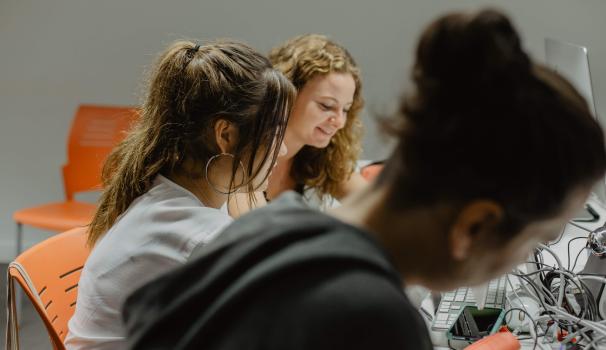
Psychology Laboratory
The Psychology Laboratory is a space for research into new therapeutic resources. Among other things, it has virtual reality devices applied to psychology that allow for better research.
Auditors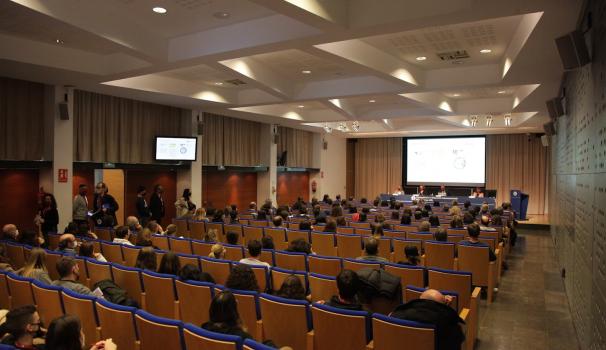
Auditors
The school has an auditorium that can be used for celebrations, academic events, conferences or activities. In addition to the school's events, the space hosts other occasions that require ample space.
Music and dynamic rooms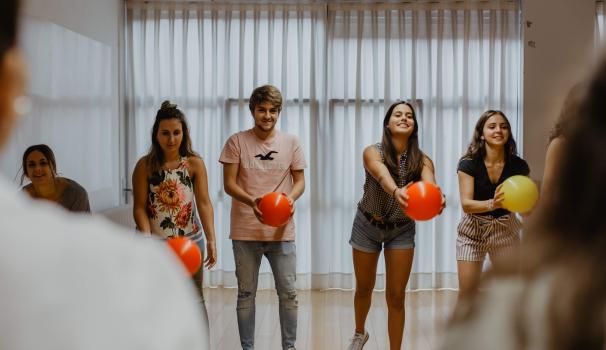
Music and dynamic rooms
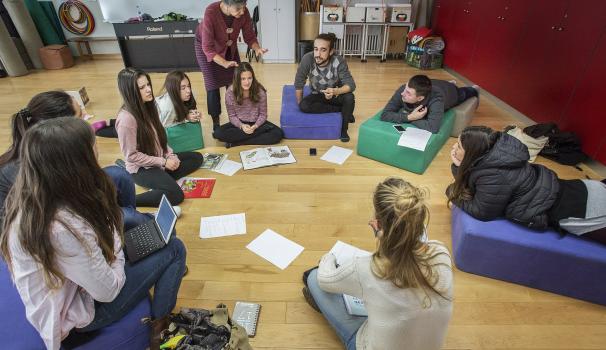
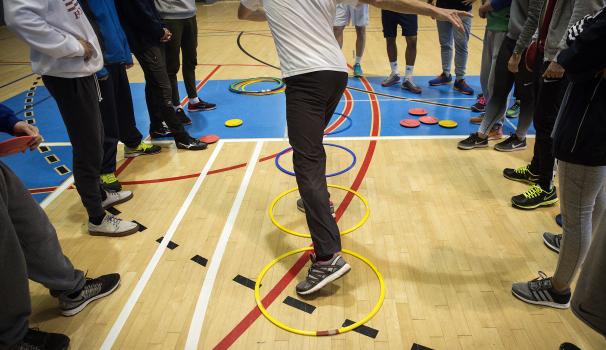
Music learning is an essential part of education. The School has 3 spaces dedicated exclusively to working in this field: two recording rooms and a dynamic classroom for working on movement and bodily expression.
Theoretical-practical classrooms and clinical simulation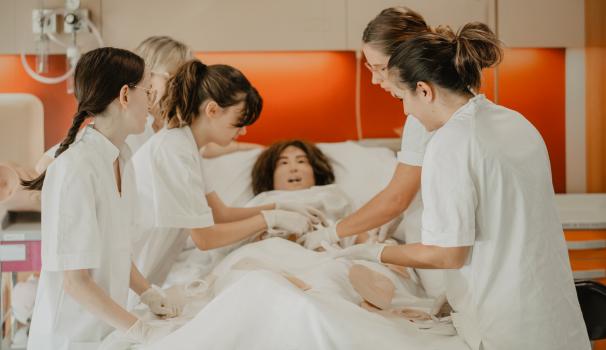
Theoretical-practical classrooms and clinical simulation
Putting theory into practice is key to gaining knowledge. In the case of nursing, it is a key aspect before dealing with patients. The faculty has simulation classrooms to prepare students for clinical interventions.
Speech Therapy Laboratory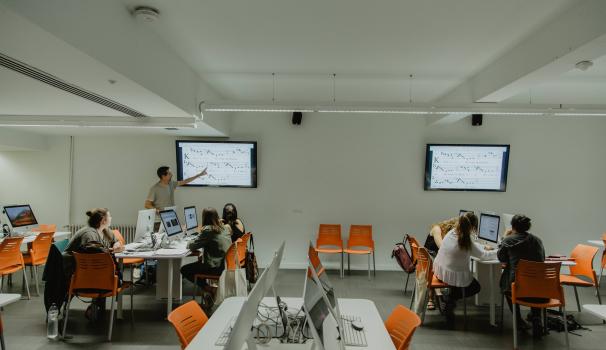
Speech Therapy Laboratory
The Speech Therapy Laboratory is the ideal place to learn the diagnosis of speech and voice disorders or to learn about techniques for dealing with oral and written language problems.
Research Support Office
Research Support Office
If you are part of a research group, a professor or a PhD student and you need help with a project, you can ask for advice. This assistance includes analysis, guidance, help with applying for awards, and the financial management of projects.
Research ethics committees
Research ethics committees
Ethics in the field of research is fundamental. The Faculty Research Institutes are supported by the opinions of the Research Ethics Committees (CER-URL) to evaluate and rate projects that have ethical implications.
Language Service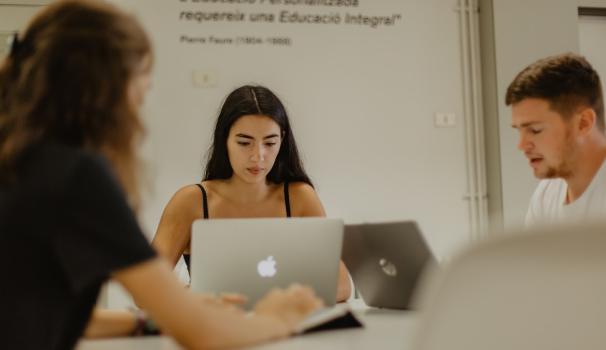
Language Service
Do you want to improve your level of Catalan? Have you just arrived in Catalonia and don't know what to do? Are you studying English and want to reinforce your language skills? Learn at your own pace with the Language Service.
Here you will find the resources and professionals to help you achieve your goals.
Cooking laboratory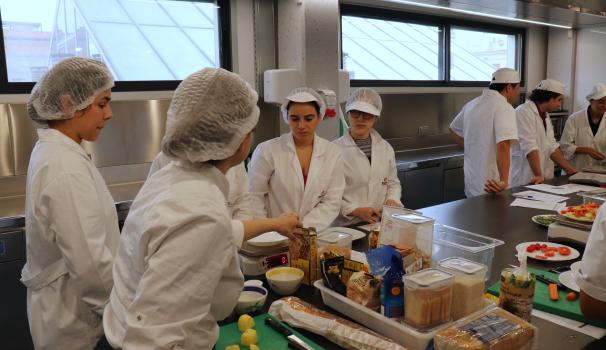
Cooking laboratory
Is there anything better than a kitchen lab to put all your knowledge of nutrition and dietetics into practice? In this classroom you will be able to discover all the techniques of dietetics and diet therapy.
Anatomy room. Osteoteca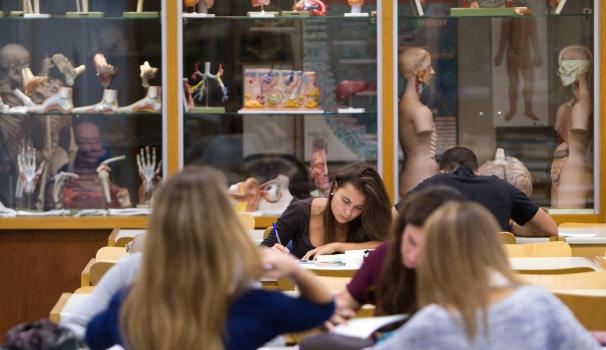
Anatomy room. Osteoteca
This room has teaching resources so that students can become familiar with the human body, identify and locate muscles, bones, arteries, veins or nerves.
Anatomy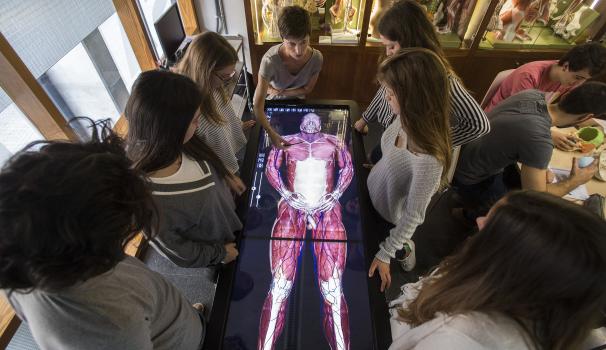
Anatomy
See human anatomy in its entirety on a real scale and in 3D. This is the reality that allows the anatomy, an interactive display table to see any anatomical system of the human body.
Libraries
Libraries
If you need a quiet space to study or to do individual and group work, come to the library! Each school has its own library with computers, workrooms, reading points and an extensive catalog of documents you can consult in both hard copy and digital format.
Computer rooms
Computer rooms
If you have a job or just need a computer, you can go to the computer classrooms or workspaces and use the Macs we have at your disposal.
Chapel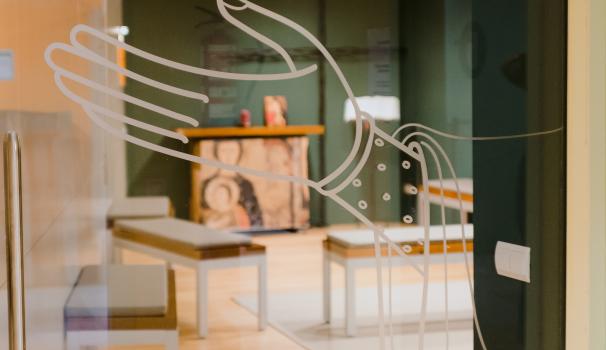
Chapel
The chapel is the right place to find recollection, peace, to focus, to pray and to celebrate the Eucharist weekly and at important liturgical moments (Christmas, Ash Wednesday and Easter). The sacrament of reconciliation is also celebrated.
Blanquerna-URL School of Psychology, Education and Sport Sciences 2030 Agenda Office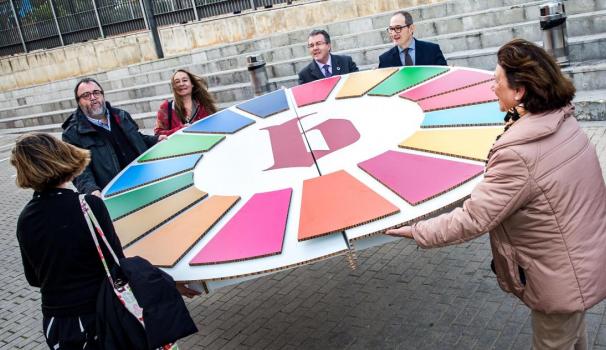
Blanquerna-URL School of Psychology, Education and Sport Sciences 2030 Agenda Office
The 2030 Agenda Office of the Blanquerna-URL School of Psychology, Education and Sport Sciences is a project designed to ensure the achievement of the Sustainable Development Goals (SDG) and the milestones set in the Agenda, based on the joint strategies of URL institutions.
SOPTIC
SOPTIC
The SOPTIC (Pedagogical Guidance Service on Information and Communication Technologies) offers support in the use of ICT to both teachers and other faculty services.
Bar / Restaurant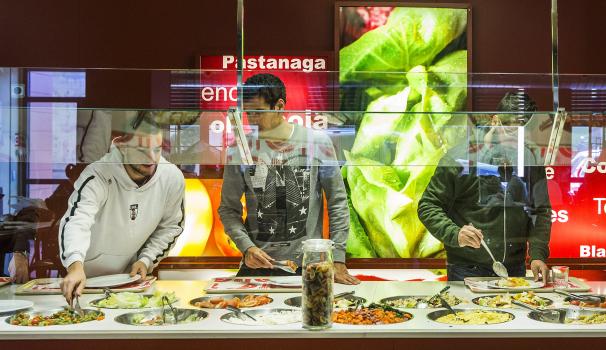
Bar / Restaurant
The nerve center of the quintessential faculties is the bar. There, teachers, students and staff meet throughout the day for breaks or meals.
Methodological Advisory Service (SAM)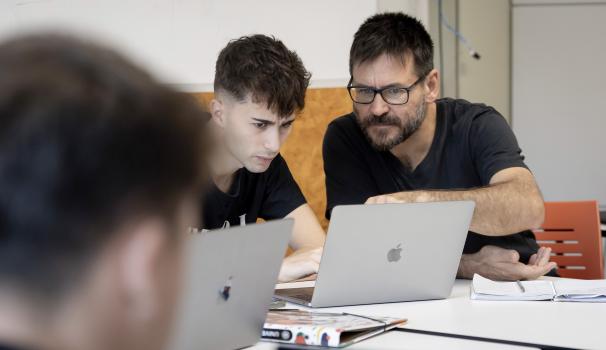
Methodological Advisory Service (SAM)
Do you need guidance or support on your research project? The Methodological Advisory Service (SAM) offers you a series of procedures to guide you in your work process in the field of research.
Attention service for high level athletes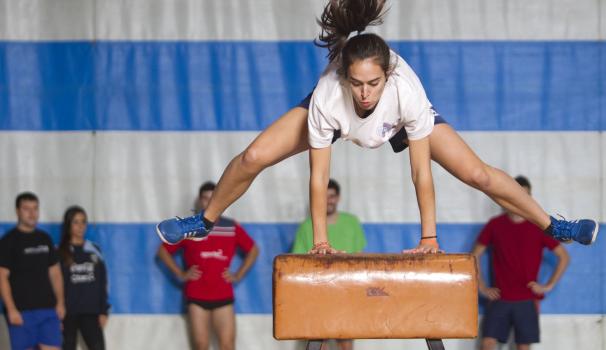
Attention service for high level athletes
At Blanquerna we facilitate the incorporation and monitoring of the academic pace of all those people who are High Level athletes based on tutorials and personalized attention to study each case.
Academic Secretary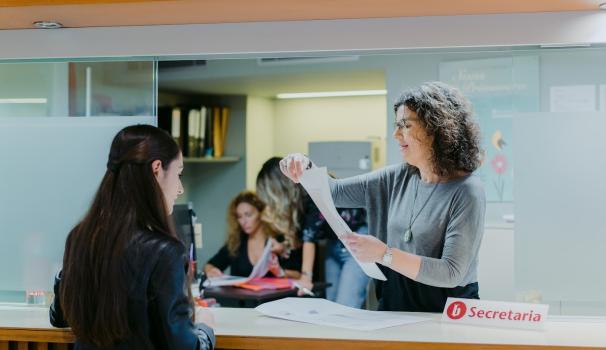
Academic Secretary
The Academic Secretaries of the Blanquerna faculties are the space for students to relate to the processes linked to the registration of official and own courses.
Student Information and Guidance Service (SIOE)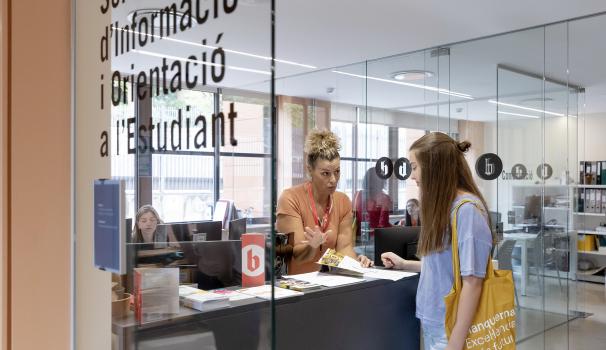
Student Information and Guidance Service (SIOE)
Would you like to receive information on pre-registration and admissions processes, scholarships and grants or validations? The SIOE is the service you need. Ask for all the information about any of these processes and discover all the possibilities at your fingertips.
Internship service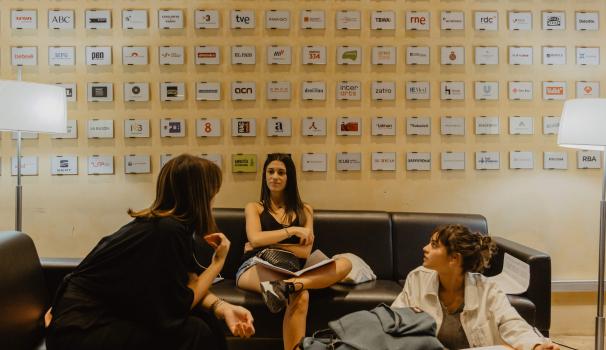
Internship service
Professional experience is a core part of our methodology. For this reason, we have a broad spectrum of internship agreements to meet the needs and preferences of all students. You will graduate having worked in your industry.
Scholarships and grants service
Scholarships and grants service
At Blanquerna, we put the future within everyone's reach thanks to our scholarships and grant service to start or continue studying at our schools. Financial aid is both internal and external to the university. You will find a wide range of possibilities.
International Mobility Office
International Mobility Office
Going abroad is a unique opportunity to discover the plurality of the world. Aware of the importance of the internationalization of studies, we have established mobility agreements around the world.
Careers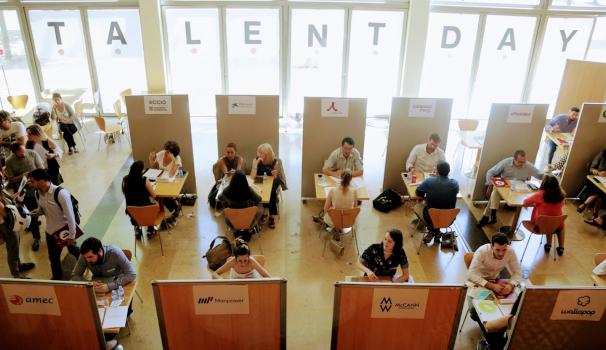
Careers
This service provides graduates with the necessary means so that they can actively participate in their professionalism and propose optimal candidates to organizations and companies looking for staff.
Job Bank
Job Bank
The leap into the world of work is always a challenge. For this reason, we provide a Job Bank for students and graduates. This service puts students in touch with companies and institutions looking for staff.
Social Commitment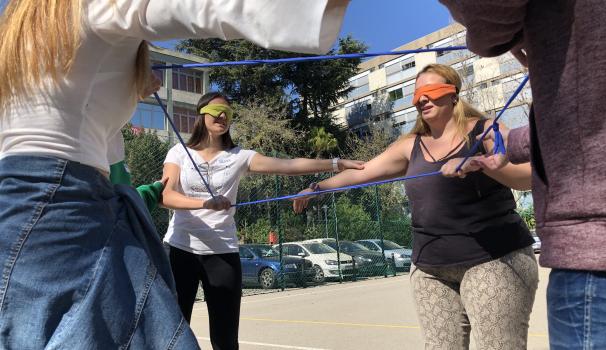
Social Commitment
Solidarity and the struggle for human dignity are values that identify us. Social Commitment is a volunteer program that our students can join to participate in projects in the Third and Fourth World.
Alumni service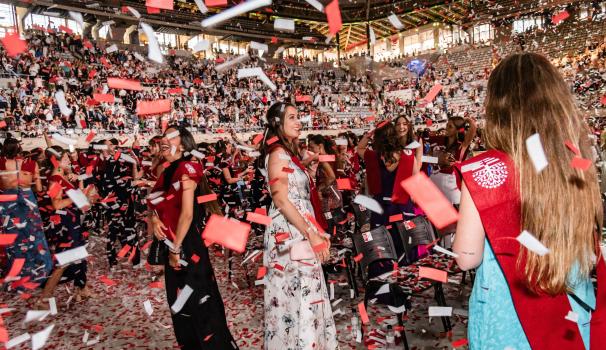
Alumni service
Studying in Blanquerna allows you to be part of our community. Being a college student opens the door to a lot of options for continuing your vocational training beyond your time in the classroom.
Sports service
Sports service
Want to represent the URL in college sports tournaments? You can find a wide range of possibilities for both individual and team sports. To be a student of Blanquerna, you will have a discount at the Can Caralleu and La Salle Sport & Fitness sports complexes.
Personal Guidance Service (SOP)
Personal Guidance Service (SOP)
If you are in a difficult situation in the academic, personal or social field, you can request, free of charge, the personalized attention of the SOP. This is an interdisciplinary team of professionals who will guide you in dealing with the situation.
Faith and Spirituality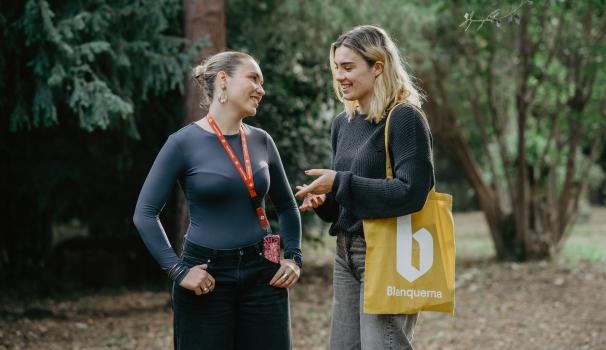
Faith and Spirituality
In the three Blanquerna faculties, you will find spaces for reflection isolated from the hustle and bustle dedicated to the celebration of the Faith or cultural and religious animation. If you wish, you can also receive personalized attention and information about church life.
Diversity support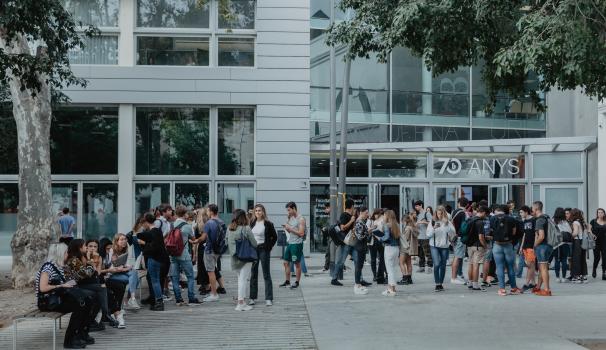
Diversity support
At Blanquerna we promote personal development at all levels to people with a diversity of specific needs from a normalizing context that encourages personal autonomy and uniqueness.
Blanquerna Choir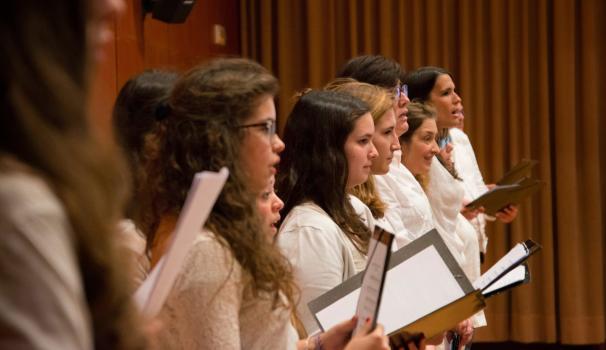
Blanquerna Choir
If you like music and want to take part in the concerts of institutional events and festivities, sign up for the Blanquerna Choir. There you will meet new friends and enjoy music.
Student representatives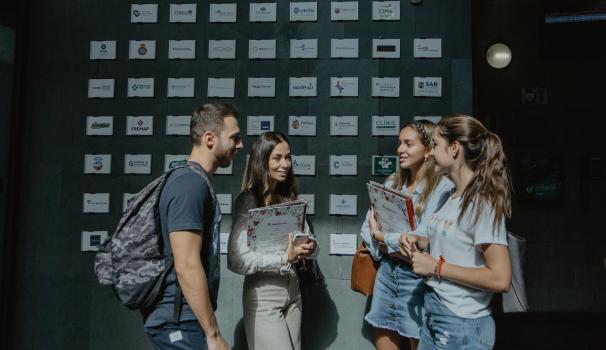
Student representatives
Each class group must elect a representative to put forward concerns or make proposals to the faculty members and academic management. At the same time, each degree must appoint a delegate and each school a representative on the general URL council.
Student Council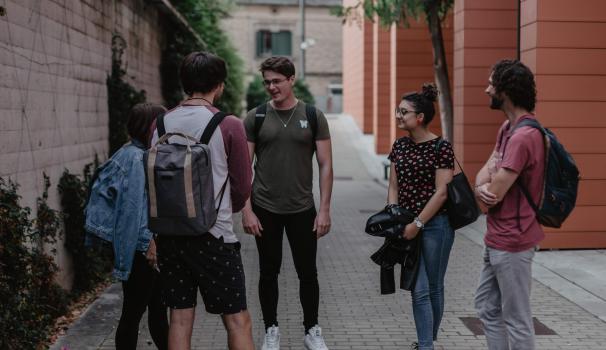
Student Council
Contact between students and the university is constant and is channeled through the Student Council, the body that collects proposals and requests from students and facilitates university life.
Language support service
Language support service
Are you studying a foreign language and want to improve your level? Do it at your own pace in the language self-learning classroom. This service offers various teaching resources and materials to practice the language.
Anti-harassment Point
Anti-harassment Point
We’re here to listen! Have you experienced or witnessed any situation of harassment? Do you have any questions about Blanquerna’s equality policy? Would you like to make a proposal or suggestion regarding gender issues? Use this Anti-harassment Point: write to us through the channels you’ll find at the bottom of this page.
Members of the Council
Elena Carrillo Alvarez

Carolina Palma Sevillano
Coordinators
Begoña Angélica Caneda Ferrón
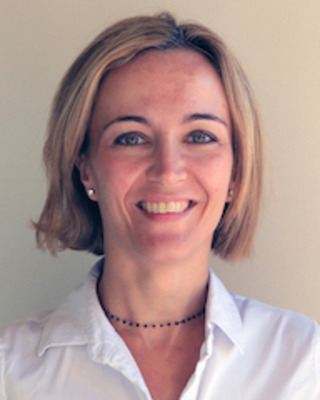
Sandra Ger Cabero
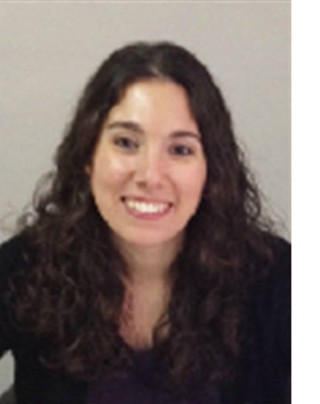
Sara Paula Signo Miguel
Faculty
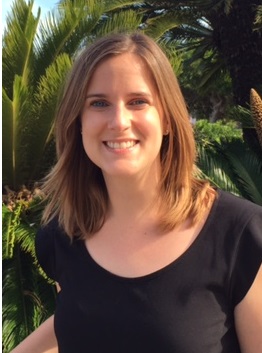
Ana Andres Valle

Marta Maria Anguera Salvatella
Inés Aramburu Alegret

Eulàlia Arias Pujol

Victoria Armet García-Munté

Andrea Arroyo Fernandez
Lourdes Artigas Miralles

Adriana Aulet Ruiz
Antoni Baena Garcia

Anna Balcells Balcells

Francisco Javier Barón Fernández
Alain G.F. Blomart

Lluís Botella Garcia del Cid
Olga Bruna Rabassa

Meritxell Campreciós Orriols
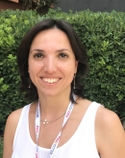
Ester Camprodon Rosanas

Montserrat Canals Ventura

Laura Cañas Vinader
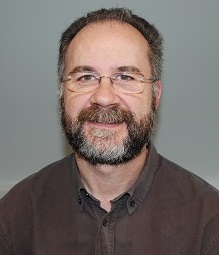
Josep Castillo Garayoa

Ignacio Cifre León
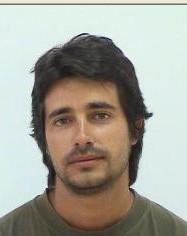
Ramon Company Romero
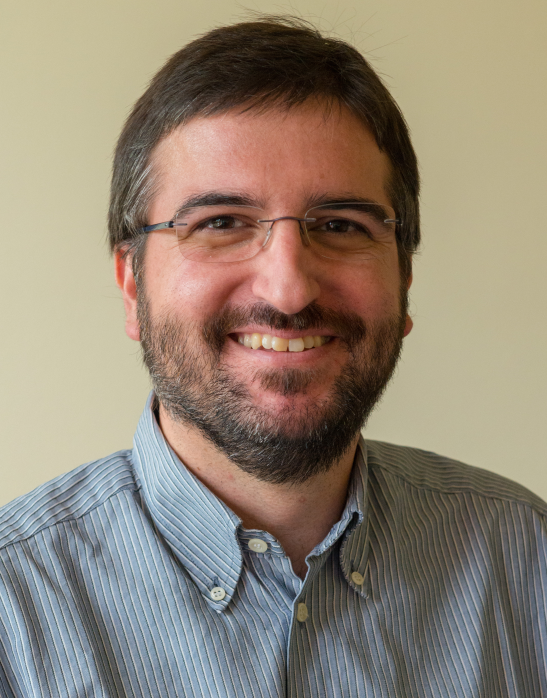
Sergi Corbella Santoma

Susana Del Cerro Ramon

Marina Diana Perez

Pilar Dotras Ruscalleda

Núria Farriols Hernando
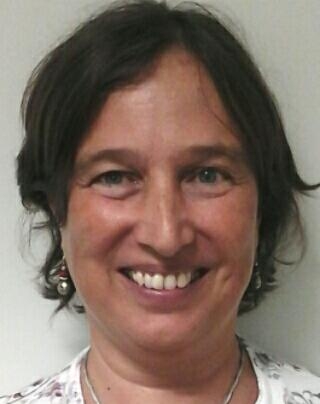
M. Victoria Fernández Puig
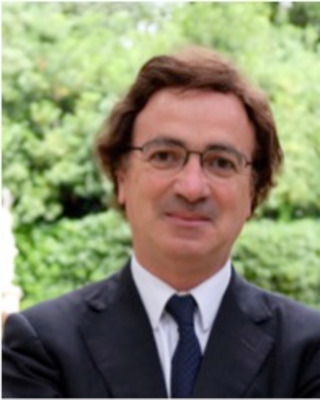
Josep Gallifa Roca

Anna Maria Gelonch Nicolau
Anna Gilabert Escorsa
Antonia María Gómez Hinojosa
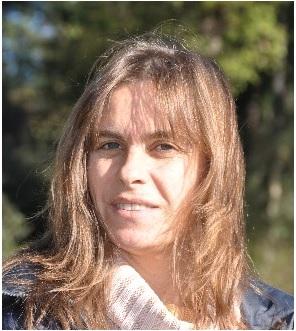
Glòria Gómez López
Clara Gomis Bofill

Ona Gomis i Zalaya

Julian González García

Jaume Grané Morcillo

Oriol Grau Rivera

Cristina Günther Bel

Andrea Gutierrez Saña

Olga Herrero Esquerdo
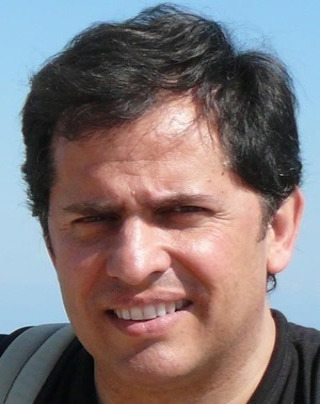
Ignasi Ivern Pascual

Eva Liesa Hernández

Marc Llinàs Folch

Patricia Lodeiro Llebaria

Sandra López Ferré

Elisabet López Soley

Judith Lorente de Sanz
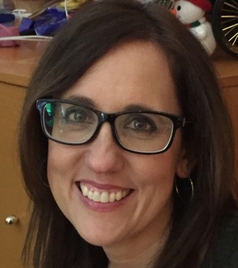
Sónia Martínez Solà

Clara Mateu Martínez

Maria Paula Mayoral Serrat

Raimon Milà Villarroel
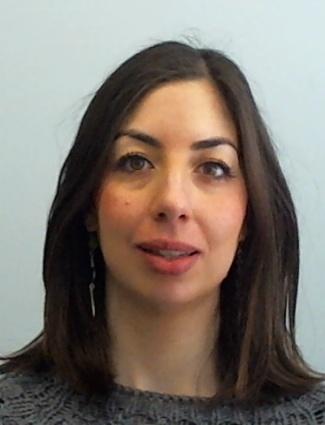
Laia Mollà Cusí
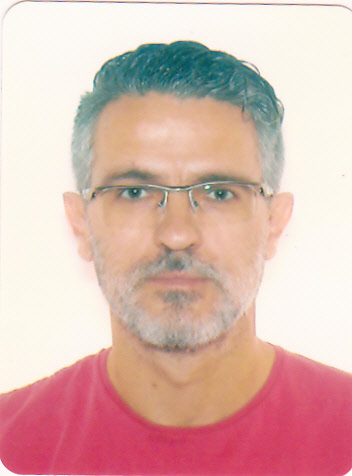
Josep Monsech Sala

Rafael Montilla Arévalo

Adrià Mulero Pella
Júlia Muñoz Martinez

Sara Navarro Gomez

Manel Noguera Ballus

Alicia Orta Ramirez
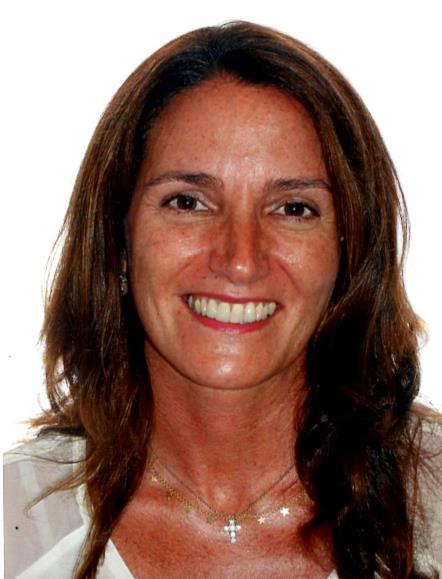
Meritxell Pacheco Pérez
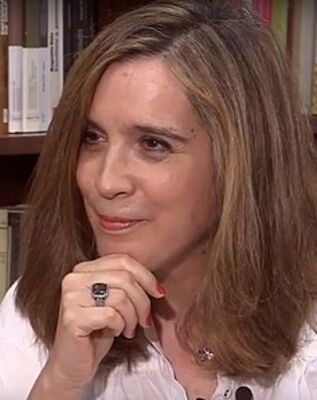
Anna Pagès Santacana
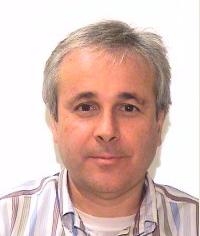
Miquel Àngel Pellicena Sánchez
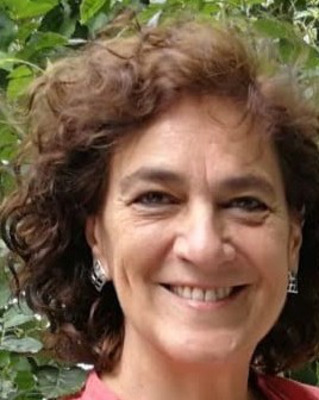
Julieta Piastro Behar

Alba Povedano Rodríguez

Roger Prat i Bosch
Teresa Pretel Luque
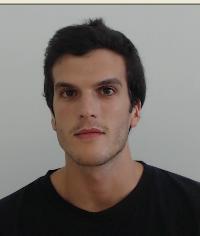
Arnau Puig Davi

Miguel Angel Pulido Rodriguez
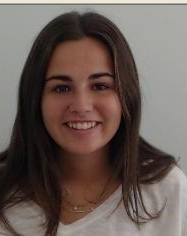
Carlota Ramírez Sendrós

Mariona Roca Santos
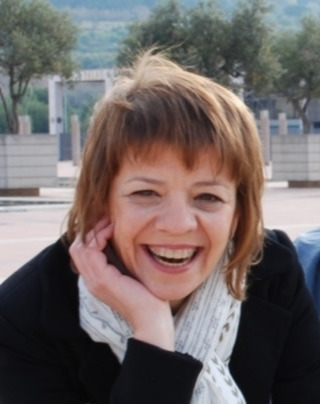
Eulàlia Ros Martrat

Susana Rubiol Vilalta

Jordi Rusiñol Estragues
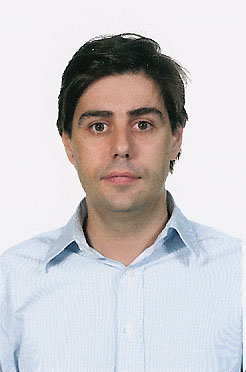
Pedro Sainz Garcia
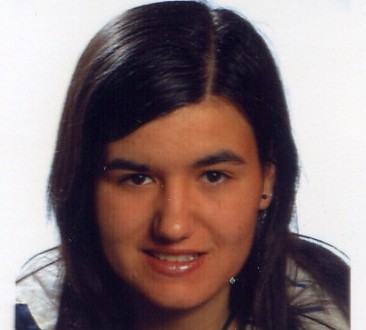
Anna Sala Bubare

Mireia Sala Torrent

Jordi Sànchez Torrents
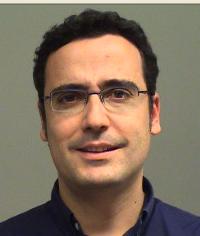
Eduardo Serrano Troncoso

Maria Dolores Soler Fernandez

Francesc Torralba Roselló

Lara Maria Treviño Hermosilla
Guillem Turro Ortega

Berta Vall Castelló

Helena Vall Roqué
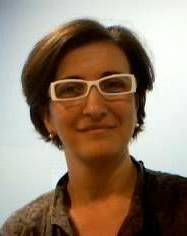
Eulàlia Vidal Garcia

Sara Vidal Ramirez

Juan Vidal Samso

Ana Vidu Aflorei
Anna Maria Vilaregut Puigdesens
RELATED PROGRAMS